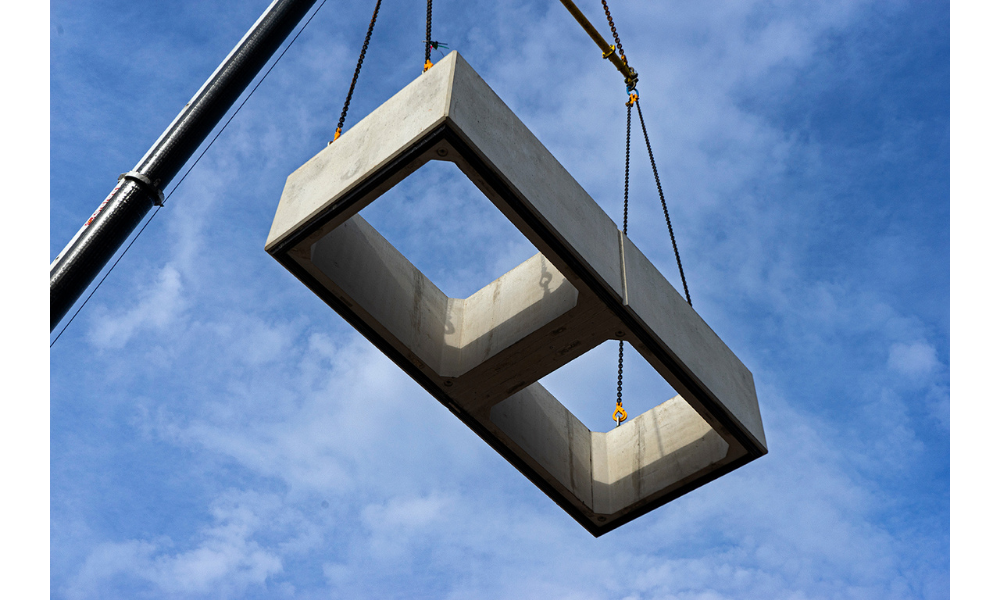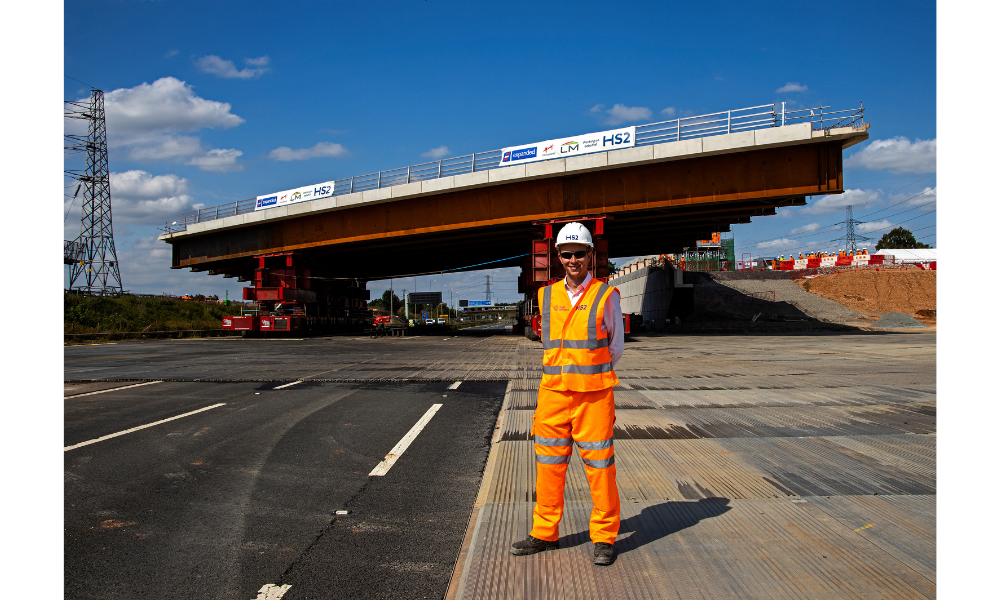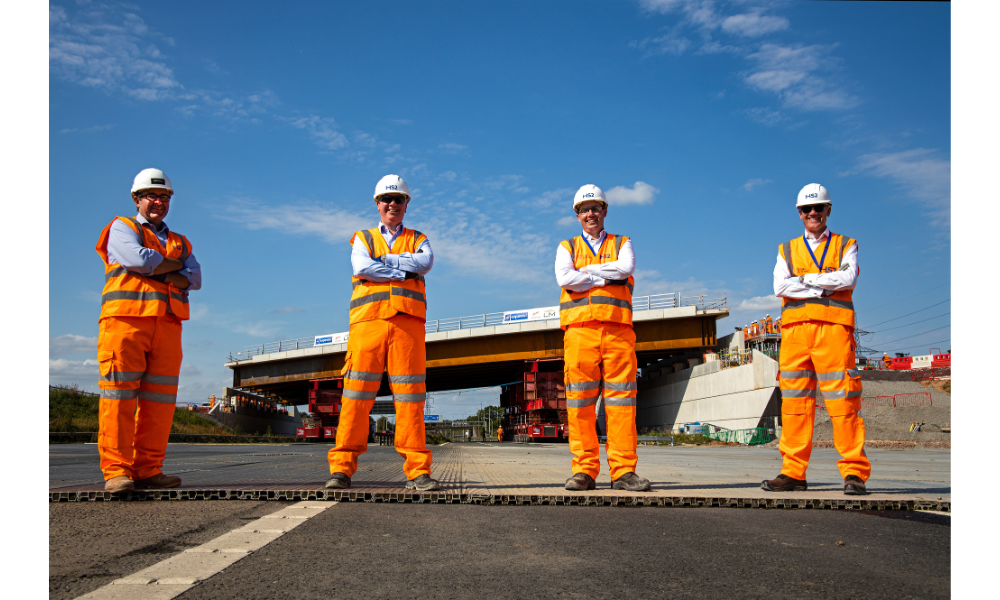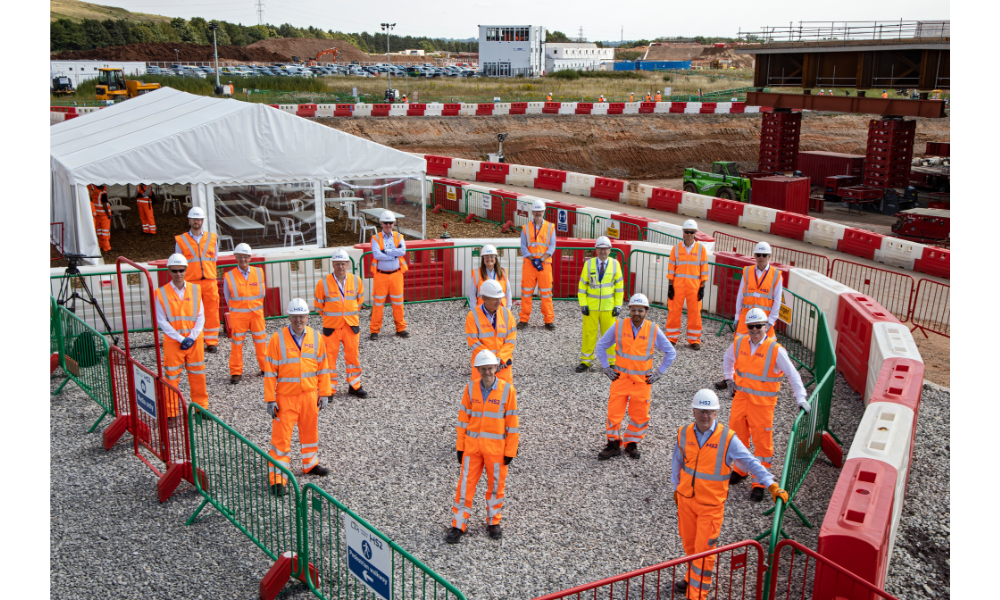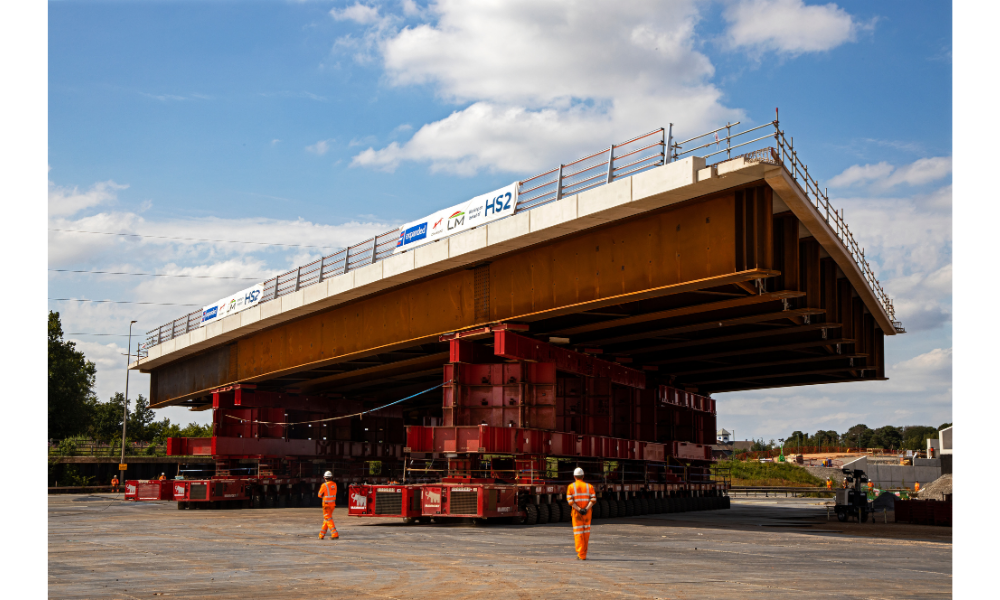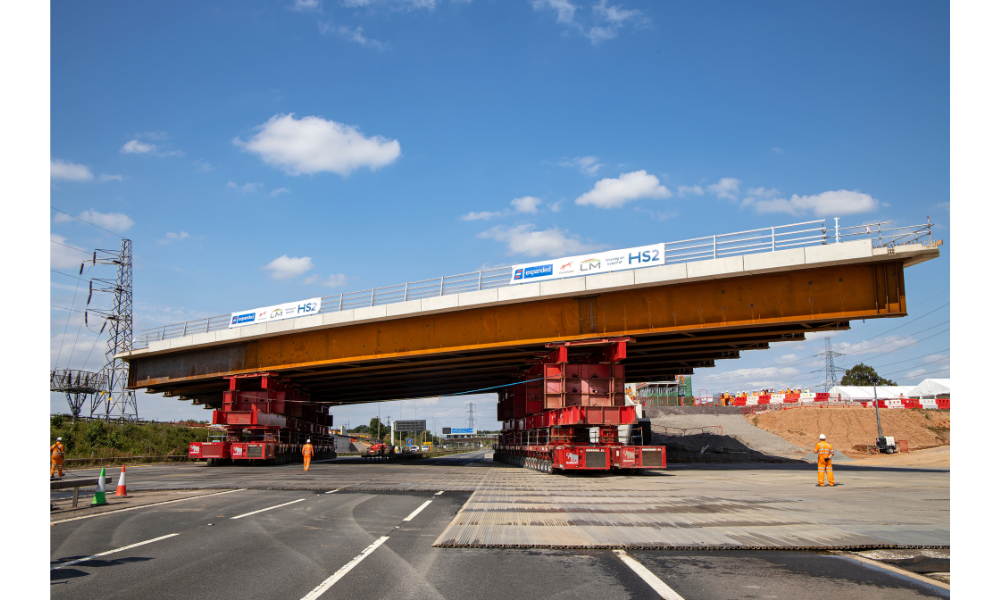
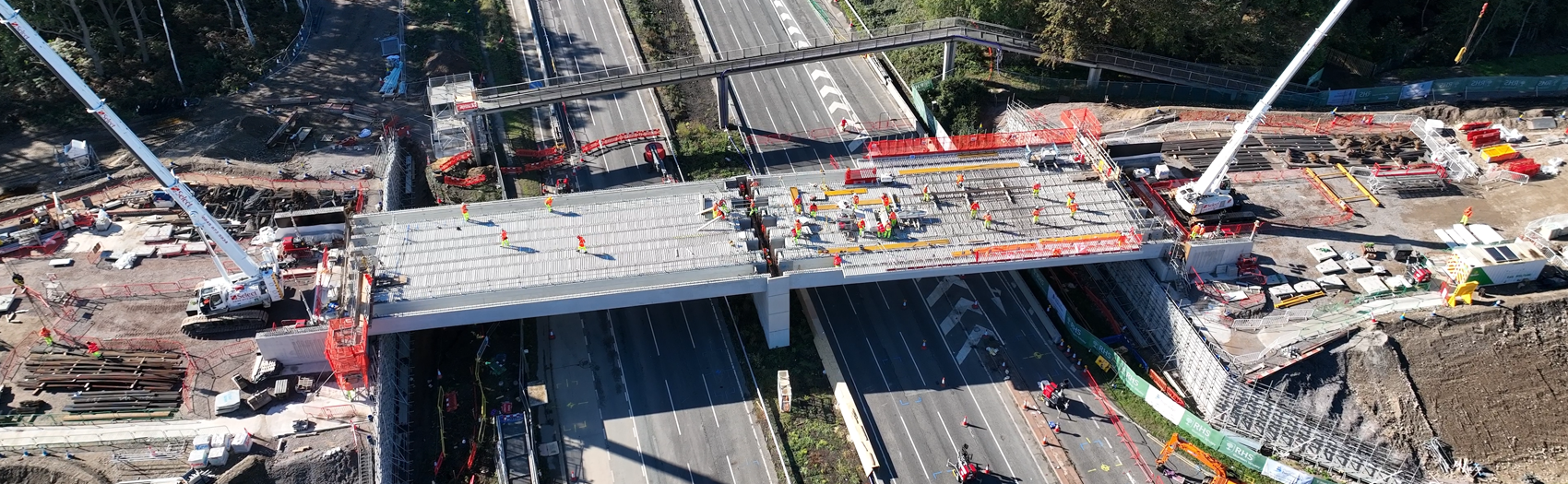
This approach offers a range of advantages, including reduced installation time, improved quality control, and less impact on surrounding roads, communities, and the environment. It also supports safer working conditions by reducing the amount of time teams need to spend working at height or in live site environments.
Modular bridge construction is particularly well suited to projects where time constraints, access limitations, or the need to keep disruption to a minimum are key priorities. It provides a modern, efficient solution that combines speed, reliability, and long-term performance.
Quality benefits
High-quality precast components are manufactured in a controlled factory environment, which helps deliver greater consistency, precision, and reliability than traditional on-site construction. This approach reduces the risk of weather-related delays and improves finish quality, while also supporting a lower carbon footprint through more efficient material use and fewer site-based operations.
Cost benefits
By using off-the-shelf modular products, projects can reduce the need for extensive temporary works and additional site activities, helping to keep overall costs more predictable. The efficient design and installation process can also reduce labour requirements, programme overruns, and traffic management expenses, offering strong value without compromising on performance or quality. At a comparable price point, these off-the-shelf products enable a 90% reduction in temporary works.
Programme benefits
Our modular approach significantly shortens delivery times - by as much as 70% compared to traditional construction methods, by moving much of the construction process into the factory where work can progress alongside site preparation. This overlap between off-site manufacture and on-site enabling works helps reduce build times, limit disruption, and create a more efficient programme from start to finish.
Safety and sustainability benefits
Reducing the amount of work carried out on site helps lower exposure to live environments, improving safety for both workers and the public. At the same time, factory-led production supports more efficient use of materials, less waste, and fewer vehicle movements, contributing to a more sustainable delivery model with wider social and environmental benefits.
Benefits to the end user
For end users, the main advantage is a faster, less disruptive construction process that helps keep roads open for longer and reduces the impact on daily travel. Shorter lane closures, improved programme certainty, and reduced site activity all contribute to a better overall experience for road users, local communities, and stakeholders.